


A body in motion tends to stay in motion.
A body at rest tends to stay at rest.
Newton’s 1st Law of Motion: Inertia
Sitting down to eat in a restaurant and getting served is something most of us do every day without even thinking much about it. But it wasn’t always the case for everyone.
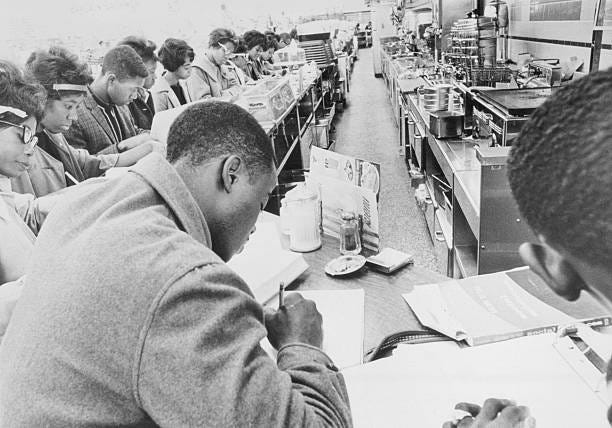
In the 1960s, sitting down at a lunch counter in the U.S. came with real danger, if you were black. The danger of verbal harassment, physical harm, and even arrest was to be expected. Yet it was the simplicity of sitting, peacefully, that became the vehicle for shifting what we take for granted today.
We’ve been exploring how Movements grow and sustain when they solve for EASE/FUN/SOCIAL.
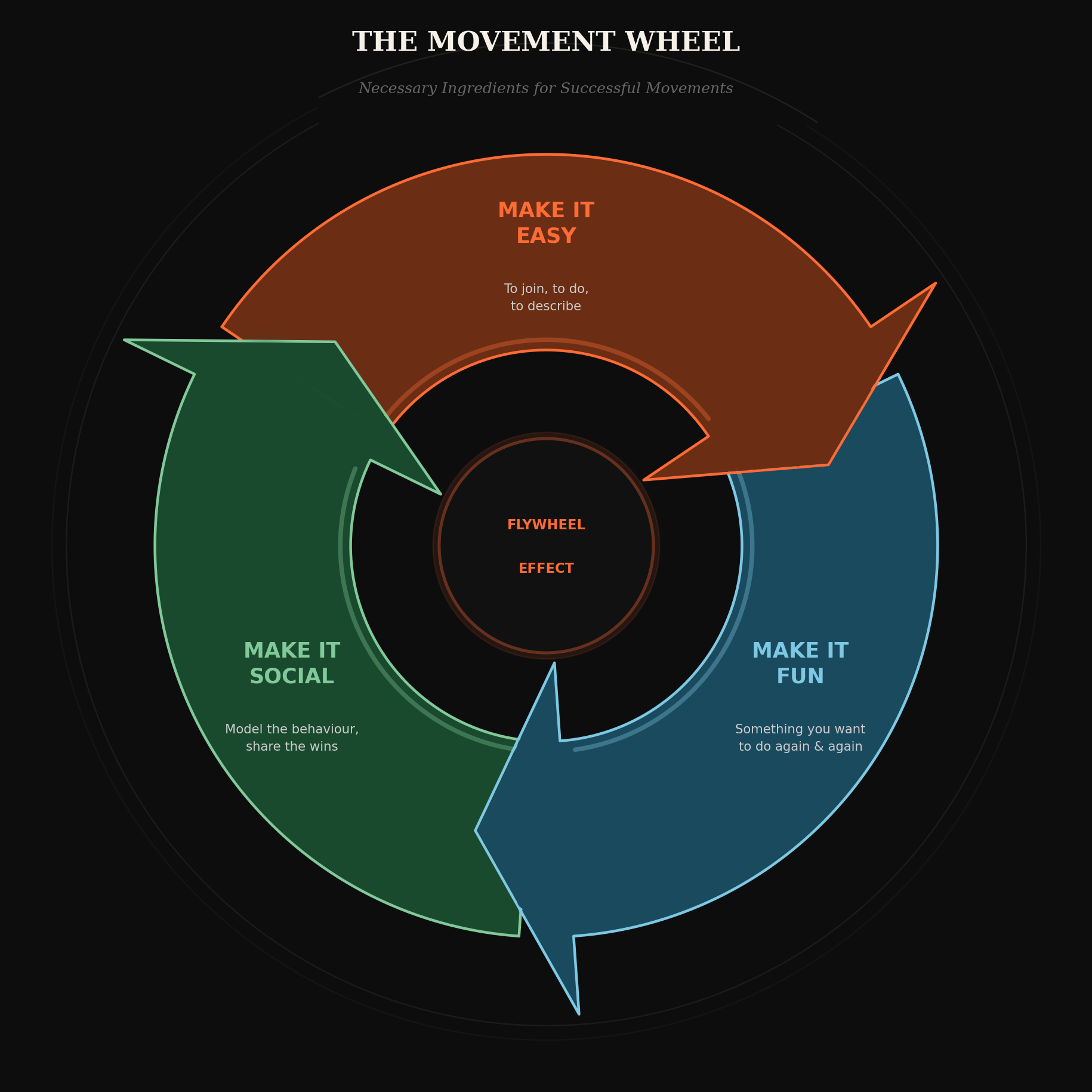
This pattern is easier to see for movements like the Ice Bucket challenge, or even the Jogging Boom of the 70s. But maybe less clear in movements such as the Anti-apartheid in South Africa, Otpor! in Serbia, or the Civil Rights Movement in the US. Movements that came with inherent risk and danger, in which participating might mean literally running for one’s life.
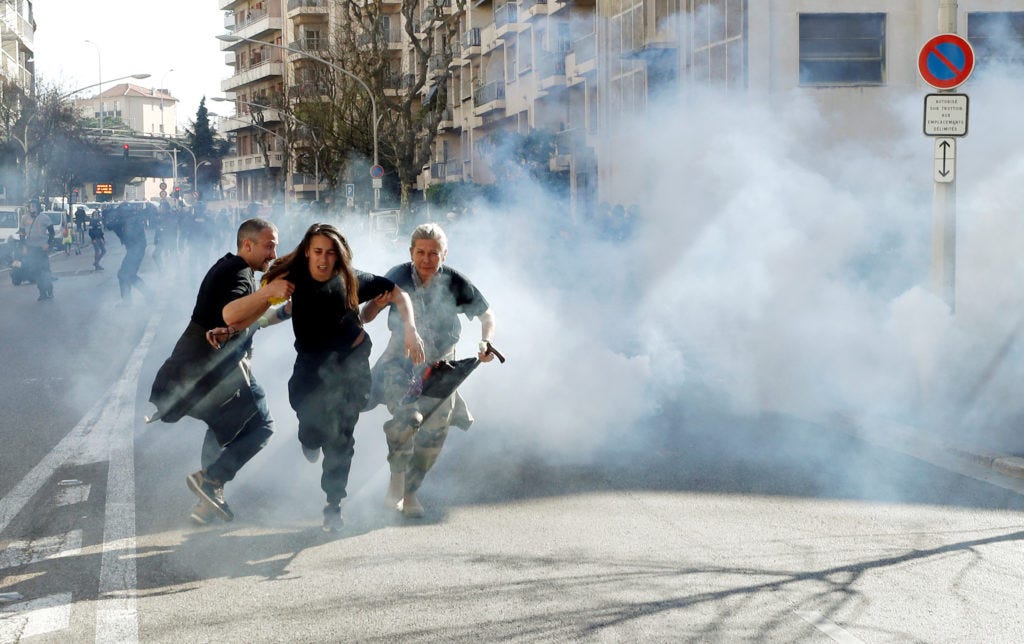
It’s precisely in these types of movements that the need to strategically design solutions for EASE, FUN, and SOCIAL makes the difference between whether people show up at all.
Designing for Ease
(or for Fun or Social) is not about making the struggle appear easier. Nor is it about trivializing the stakes or the danger. Organizers of the Greensboro sit-ins didn’t lower the personal risk of sitting at a lunch counter. State violence remained a credible threat. What they did was remove the barrier between agreement and action.
To ‘make it easier’ is to deliberately remove logistical and psychological barriers that add FRICTION to shifting from passive support to active participation. Friction points, such as solving logistical issues or deciding what course of action to take. The higher the personal risk of participation, the more critical it becomes to eliminate these barriers.
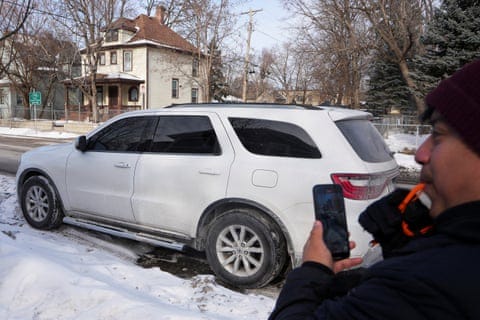
This principle applies across movements. It’s why the jogging boom required reframing running as ‘jogging’ (for health, not competition). It’s why the Montgomery Bus Boycott asked one simple task: walk to work instead of taking the bus. And more recently, it’s why ICE-OUT protesters in Minneapolis taught participants how to film ICE agents without losing their protected status as a witness.
EASE is the removal of unnecessary FRICTION, so that the impulse to ACT isn’t stalled by the contemplation of HOW TO ACT.
HOW MOVEMENTS ENGINEER FOR EASE
Movements that scale remove friction at four critical points. Understanding these may help explain why some movements plateau while others grow.
1. FRICTION: CLARITY AND DECISION PARALYSIS
When people face too many options or too much ambiguity about what to do, they freeze. Movements that scale provide highly specific, immediately actionable calls to action.
“Challenge segregation”, while accurate, is still abstract. The Greensboro lunch counter sit-ins scaled and replicated to other cities because the ask was concrete and simple: occupy a seat and sit peacefully.
Sometimes, to navigate initial hesitancy, you need to ask for low-threshold practices. These "gateway actions" reveal a stepping-stone effect: individuals who begin with low-effort activities (signing petitions, sharing hashtags, wearing badges) are frequently steered toward higher-engagement acts that directly target systems. Each action builds identity and familiarity without overwhelming cognitive load.
To manage ambiguity, identify simple, granular behaviors rather than abstract goals. And reduce the decision space.
2. FRICTION: Logistical Barriers
Even when the will is strong, the flesh can remain weak. Participation often comes at a cost: time, money, energy, legal risk, even childcare.
While the Montgomery Bus Boycotts had a simple ask (don’t ride, walk), commute time and distance didn’t always make that possible for everyone. To facilitate life while adhering to the cause, the boycott organized carpools to lessen the burden. Meetings were held around the Sunday church service, making use of both space and a time when everyone would be together.
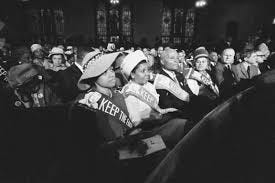
These aren’t nice-to-haves. They’re necessities that make participation possible when the additional risks (like losing your job because you stopped taking the bus) make joining too costly, even despite the cost of losing the cause.
Structural availability matters. The degree to which you have time to offer and that time won’t come at the cost of your job, your family duties, or your standing in the community make the difference between participation and abstaining.
Identify the concrete costs of participation, and work to reduce them.
3. FRICTION: Psychological Barriers
Much of the friction between agreement and action lives in the head. Fear. Doubt. The question: Can I actually do this? Will it matter?
For this, you need the right information architecture to:
Arm with WHY - clearly identifying the problem, assigning responsibility so the participant understands why they’re acting. This shifts from abstract idealism to concrete grievance. When people understand what they're fighting against, not just for, motivation is clarified.
Arm with HOW - Offer specific solutions, strategies, and tactics so participants don’t need to figure out what to do next. This removes the friction of uncertainty. When participants know how to respond, even in worst-case scenarios, the fear becomes manageable.
Arm with WHEN - more specifically, answer ‘why now’, instilling urgency to act today and not wait til some tomorrow.
Additionally, arm, but don’t overwhelm. As a rule of thumb, a participant should be able to understand and execute a baseline action in under five minutes. If you haven’t achieved this, the information isn’t sufficient, and you need to reassess whether it’s too light or you’re overloading.
Also, don’t deny the fear. Embrace it. Design with fear in mind, so that participants are more willing to act now rather than waiting for a fear to vanish that may never go away.
Provide just enough to move someone from bystander to active participant, without paralyzing them. Make the connection between their existing values and the movement's ask obvious,so that acting is a natural extension of their identity.
4. FRICTION: HABITUATION AND WEAR OUT
Newton may believe that bodies in motion tend to stay in motion, but that only exists in a vacuum. In the real world, excitement and energy fade, and the everyday sets back in. If the ask can’t outlast the routine, then movement stalls.
Movements that ask for episodic heroism (big acts, rare occasions) exhaust participants quickly. Movements that integrate into the fabric of daily practice sustain engagement over months and years.
This requires practicing some human-centric design, starting with empathy for the lived experience of participants and designing movements around their actual constraints, not idealized versions of activism.
Occupy Wall Street, as one example, asked its participants to move into a park indefinitely. With no structured demands, no objective, or end date, the movement began to peter out, ultimately dismantled by police raids of the remaining encampments after 59 days. Once that happened, there was nowhere else for the movement to go.
Compare the story of Wall Street to the Montgomery bus boycotts, which was able to sustain for 381 days. Walking and carpooling weren’t sacrifices. They were a part of daily life and the movement’s sustainable norm. Able to outlast the pain the city felt in lost rider revenue until the city eventually had to cave to the demands.
Integrate participation into existing rhythms of life rather than asking for constant sacrifice. Design tasks that fit daily routines. Keep tactics fresh enough that they don't become stale or lose public attention. The goal is sustainability, not intensity.
B=MAT: THE SCIENCE BEHIND THE EASE
Everything we’ve explored here maps onto behavioral scientist BJ Fogg’s behavior model: B=MAT.

In the model, behavior happens when Motivation, Ability, and Trigger are all present simultaneously. Remove any one, and behavior stops.
In movement terms:
Motivation = the WHY (ideology, moral clarity, conviction)
Ability = the EASE (removing friction, lowering barriers to participation)
Trigger = the WHEN (urgency, the specific moment, the call to action)
We often think of movements in terms of the trigger. Rosa Park arrested for riding in the white section of the bus. Stonewall riots between gay patrons and the NYC police. ICE raids in the middle of Minneapolis communities. A rigged election. A dramatic change in the law.
But it’s the Ability and Motivation that prompt action long after the flame of the trigger has subsided.
Movements succeed when movements sustain themselves. When the will of the participants outlasts the will of the power opposing it. Thus, you must always design with EASE in mind.
*as well as Fun and Social, for a later time
EASE doesn’t trivialize. EASE doesn’t eliminate the danger. EASE is part of the operational infrastructure that makes facing the danger possible.
/G4T/
““Momentum at scale is created by eliminating friction, not increasing force.”
Anonymous